Quercus coccinea
Growing Information
• Plant Type: Tree
• Sunlight: Sun
• Soils: Dry to moist, well drained soils. Prefers dry, acidic, sandy soils.
• Bloom Time: Non-showy yellow catkins in April and May
• Size: 50-80 feet in height; 10-20 foot spread
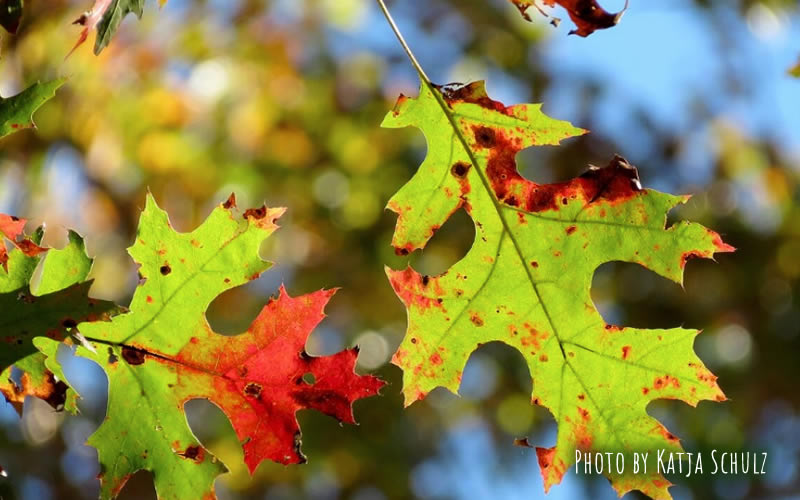
As the name suggests, this oak is best known for its stunning red color in the fall, which easily sets it apart from red oak (Quercus rubra) and black oak (Quercus velutina). Scarlet oak also features a rounded canopy and is fast growing compared to other oaks, making it a great choice for ornamental landscapes. This is a very common tree throughout the Cape’s woodlands, as it is able to handle harsh, sandy conditions.
Garden Companions
Plantain-Leaved Pussytoes (Antennaria plantaginifolia), Silverrod (Solidago bicolor)
Nature Benefits
• Acorns provide food for a variety of wildlife.
• Serves as host plant for many species of butterflies and moths.
Native Habitat
Dry, sandy woodlands and forests.